 World of Shrimp
Neocaridina vs Caridina: which shrimp should you start with?
Published · Updated · 5 min read
Quick answer
- Neocaridina, such as cherry shrimp, like harder water with a pH around 7 or a little above. They are the usual beginner shrimp.
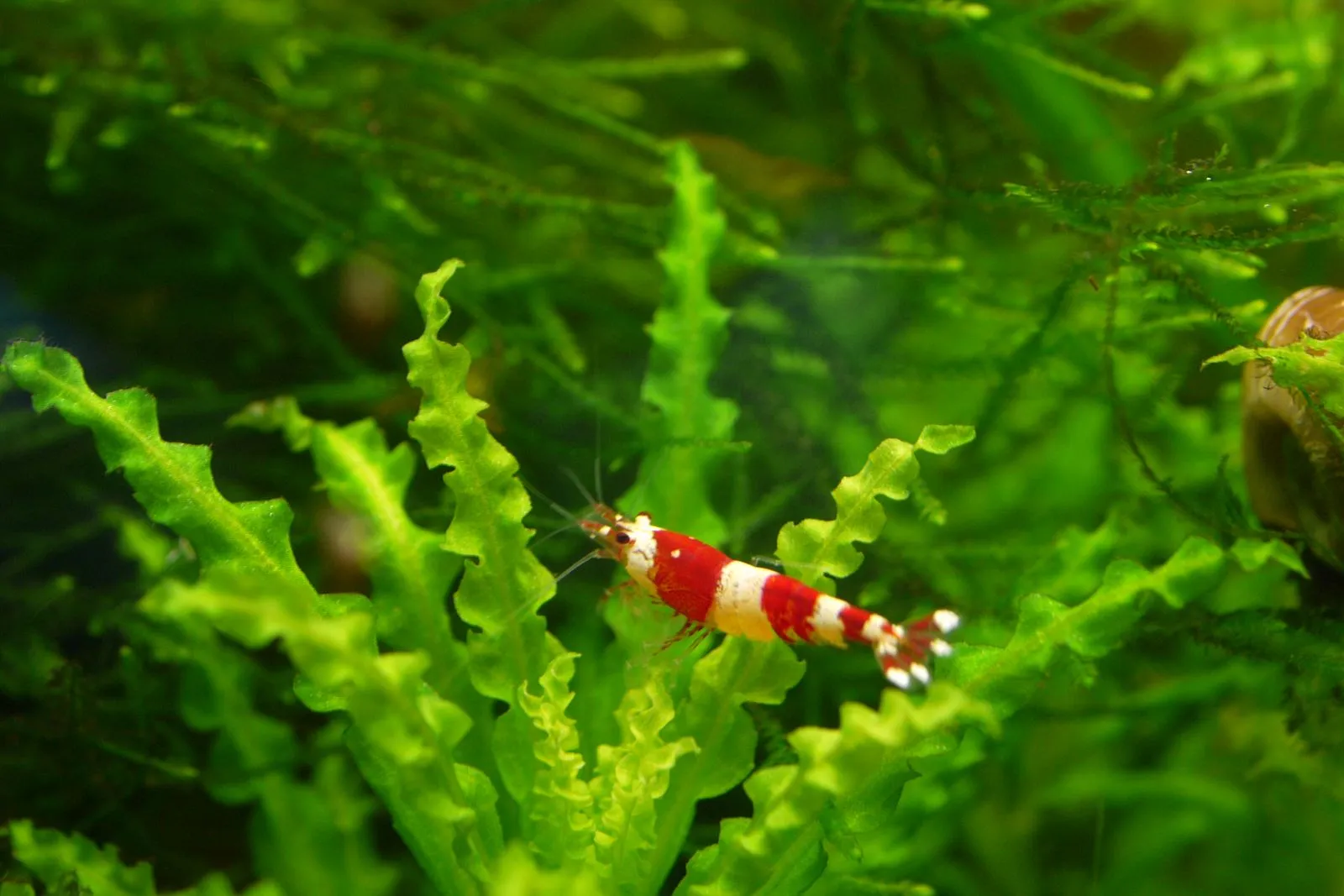
- Most Caridina sold for aquariums, such as crystal red and bee shrimp, need soft, acidic water. Most keepers use active soil and RO water for them.
- The two groups do not interbreed.
- Most guides suggest separate tanks, because each group does best in different water.
- Amano shrimp are the exception: a Caridina that copes with a wide range of water.
Two groups of dwarf shrimp
Most small aquarium shrimp belong to one of two groups, called genera: Neocaridina and Caridina.
- Neocaridina in the hobby are mostly one species, Neocaridina davidi. It comes in many colors: red cherry, blue, yellow, orange, green and more. See colors and grades.
- Caridina is a much larger group. In aquariums, the best known are crystal red and crystal black shrimp, bee shrimp, tiger shrimp and the Amano shrimp, Caridina multidentata.
You cannot tell the two groups apart just by looking. Shrimp and Snail Breeder explains that scientists separate them by tiny details of their mouthparts and other appendages. In practice, the name on the label tells you which group a shrimp belongs to.
Side by side
The numbers below come from Shrimp Science's care sheets for red cherry shrimp and crystal red shrimp. Other guides give slightly different ranges.
| Feature | Cherry shrimp (Neocaridina) | Crystal red shrimp (Caridina) |
|---|---|---|
| pH | 6.5–8.0 | 5.5–7.0 |
| GH | 4–10 dGH | 4–6 dGH |
| KH | 1–8 dKH | 0–2 dKH |
| TDS | 100–250 ppm | 100–180 ppm |
| Temperature | 15–30 °C (59–86 °F) | 20–25 °C (68–77 °F) |
| Adult size | About 30 mm | About 30 mm |
| Lifespan | 1–2 years | 1–2 years |
| Difficulty | Easy | Medium |
| Usual substrate | Inert gravel or sand | Active soil |
| Usual water | Treated tap water | RO water with a GH-only remineralizer |
Flip Aquatics, for example, keeps its cherry shrimp at about pH 7.0 to 7.6 and its crystal reds at about pH 6.6 to 6.9. Shrimp and Snail Breeder is stricter still for crystal reds, with KH 0 to 1.
Water and substrate
The biggest difference is the water. Cherry shrimp like water with some KH (carbonate hardness), which keeps the pH steady around 7. That is why treated tap water often suits them, and why plain gravel or sand is enough.
Crystal red and bee shrimp need soft, acidic water with KH close to 0. Shrimp Science warns that crystal reds may struggle to molt if KH is higher. To get and hold that water, most keepers use:
- Active soil, which pulls the pH down and holds it there. See substrate.
- RO water with a GH-only remineralizer, because tap water usually contains KH. See tap water and RO water.
Temperature matters too. Shrimp Science gives crystal reds a narrower range of 20 to 25 °C, so a hot summer room is a bigger problem for them than for cherry shrimp.
Breeding and interbreeding
Neocaridina and Caridina do not interbreed. Shrimp and Snail Breeder says this plainly.
Within each group, colors do mix. Different cherry shrimp colors in one tank will breed with each other, and their young tend to drift back toward the wild brown color. Shrimp Science notes that crystal reds can breed with other Caridina of their kind, such as other bee and tiger shrimp.
Amano shrimp are a special case. Shrimp and Snail Breeder notes that, unlike cherry shrimp, they do not breed in a normal freshwater tank.
Can they share a tank?
Sources disagree:
- Shrimp Science says crystal reds can share a tank with red cherry shrimp if the pH stays around 7.0.
- Flip Aquatics says the two should not be kept together, because one group will thrive while the other only survives. Its one exception is the Amano shrimp.
- Shrimp and Snail Breeder says they can be kept together, but that the species prefer different water.
So a shared tank can work as a compromise around pH 7, but neither group is at its best there. Most keepers give them separate tanks. Amano shrimp, which Flip Aquatics calls more adaptable than many other Caridina, are a common exception. See tank mates.
Which to start with
Start with Neocaridina. Shrimp Science calls them the better choice for beginners, and they forgive the small mistakes everyone makes in a first tank. They live in treated tap water, need no special substrate, and breed readily.
Caridina are a good second step once you are comfortable testing water and keeping it steady. They need more equipment, and their water has less room for error. The shopping list covers a first cherry shrimp tank.
FAQ
What is the difference between Neocaridina and Caridina shrimp?
They are two groups of dwarf shrimp. Neocaridina, such as cherry shrimp, like harder water with a pH around 7 or a little above. Most Caridina sold for aquariums, such as crystal red and bee shrimp, need soft, acidic water and are less forgiving.
Can Neocaridina and Caridina interbreed?
No. Shrimp from the two groups do not crossbreed. Colors within each group can mix, though, so different cherry shrimp colors in one tank will interbreed.
Can cherry shrimp and crystal red shrimp live together?
Sources disagree. Shrimp Science says they can share a tank if the pH stays around 7.0, while Flip Aquatics says one group will thrive and the other only survive. Most keepers give them separate tanks.
Are Amano shrimp Caridina?
Yes. Amano shrimp are Caridina multidentata. Unlike crystal red and bee shrimp, they cope with a wide range of water, and they are a common tank mate for cherry shrimp.
Sources
- Shrimp and Snail Breeder: The Difference between Neocaridina and Caridina Shrimp
- Shrimp and Snail Breeder: Red Cherry Shrimp: Detailed Guide
- Shrimp Science: Crystal Red Shrimp
- Shrimp Science: Red Cherry Shrimp Care Guide
- Shrimp Science: The Guide to Substrates for Shrimp Tanks
- Shrimp Science: The Beginner's Guide to Freshwater Shrimp Tanks
- Flip Aquatics: Caridina vs Neocaridina
Keep reading
-
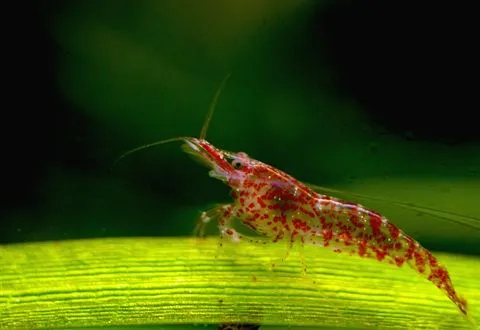 Cherry shrimp colors and grades explained
One species, many colors: what the color names and red cherry grades mean.
-
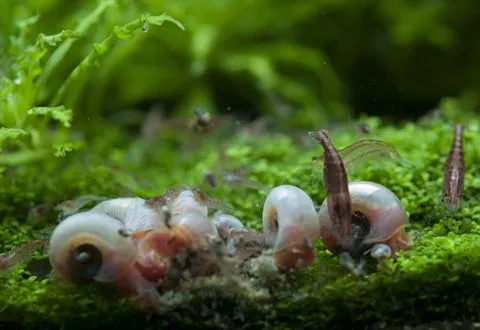 Cherry shrimp tank mates: what can live with them?
Which snails, shrimp and small fish can share a tank with cherry shrimp, and which to avoid.
-
 Tap water or RO water for shrimp?
How to make tap water safe, chlorine versus chloramine, and when RO water is worth it.